
Water Heater Pilot Light Won't Stay Lit in Harrisburg, PA
Harrisburg Water Heater Pros diagnoses pilot outages by measuring thermocouple output and flue draft across Harrisburg City, rather than replacing parts on assumption — with same-day, gas-safe service.
Call Now — (717) 470-0340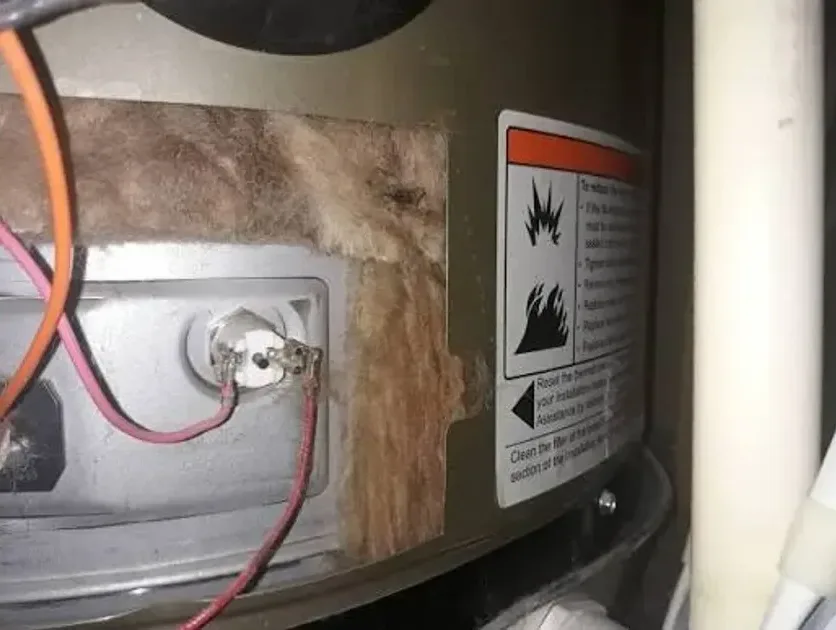
Why Won't My Water Heater Pilot Light Stay Lit in Harrisburg?
A pilot light goes out because the thermocouple no longer produces enough current to hold the gas safety valve open, because carbon has blocked the pilot orifice, because the gas control valve has failed, or because a downdraft in the flue blows the flame out. Each cause produces the identical symptom, so the diagnosis measures rather than guesses.
The timing of the outage narrows the cause faster than anything else. Harrisburg Water Heater Pros asks one question first on every pilot call across Harrisburg City — Midtown, Allison Hill, Downtown, and the 17101 through 17104 zip codes: how long does the flame survive after the control knob is released?
The table below reads the interval between releasing the control knob and losing the flame.
| What happens | Most likely cause | Typical repair cost |
|---|---|---|
| Flame dies within seconds of releasing the knob | Thermocouple output too low | $150–$300 |
| Flame holds minutes, then drops out | Weak thermocouple or dirty pilot orifice | $150–$400 |
| Pilot burns but the main burner never fires | Gas control valve or thermopile | $300–$600 |
| Pilot will not light at all | Blocked orifice, no gas supply, spent igniter | $200–$400 |
| Pilot goes out on windy days only | Flue downdraft or blocked vent | $200–$500 |
| Unit dead, no pilot, no spark | Tripped thermal cutoff switch | $150–$300 |
A thermocouple is a self-powered safety device. Its tip sits in the pilot flame and generates a small current. That current holds an electromagnet that keeps the gas safety valve open. When the current drops too low the magnet releases and the gas shuts off — the system protecting the house from an unburned gas release, working exactly as designed. A pilot that will not hold is usually a safety device doing its job, not a defect.
Pilot dropping out repeatedly in your Harrisburg home? Get a measured diagnosis today.
Call Now — (717) 470-0340Can a Homeowner Relight a Water Heater Pilot?
Follow the lighting instructions printed on the tank's own label, because the correct sequence differs by model. A pilot that will not stay lit after following them has a fault that needs a technician.
If you smell gas: leave the building, avoid light switches and phones inside, and call the gas utility emergency line from outside before calling for appliance repair. Do not attempt a relight while an odor is present. PHMSA’s Pipeline Leak Recognition and What to Do guidance sets out that order, and A.O. Smith’s residential gas water heater manual likewise says not to try to light any appliance, touch an electrical switch or use a phone in the building when gas is smelled.
How Do I Tell a Thermocouple Fault From a Gas Valve Fault?
A technician confirms a thermocouple fault by measuring its electrical output at the gas valve while the pilot burns; a gas valve fault is confirmed when the output is healthy and the valve still drops the pilot. That measurement separates a thermocouple replacement from a gas control valve replacement.
Flame position matters as much as the reading. The thermocouple tip needs to sit inside the pilot cone, not adjacent to it. A tip that has drifted out of the flame during a previous service reads low even when the part is new, which is why a technician checks alignment before condemning the component.
When does a pilot outage mean a venting problem instead?
A pilot that goes out on windy days, or one accompanied by scorch marks or condensation at the draft hood, points at the flue rather than at any pilot component. Replacing a thermocouple on that unit produces another outage within weeks, because the cause sits in the venting system.
Two conditions can produce this repeatedly. In a home with an oversized masonry chimney, the chimney may never warm enough to establish stable draft, so cold air can spill down the flue and across the burner compartment. An orphaned water heater — one left alone on a shared flue after the furnace was upgraded to direct venting — can face the same oversized-chimney problem for the same reason. Both call for a vent correction rather than a parts swap. The full venting scope is covered under Gas Water Heater Repair in Harrisburg, PA.
A pilot outage is one route to a cold shower rather than the only one, and the wider triage that separates it from element, thermostat, and gas-valve faults sits on No Hot Water in Harrisburg, PA. Where the pilot holds but the burner runs long and loud afterward, deposits rather than ignition are the cause, covered on Water Heater Making Noise in Harrisburg, PA. Thermocouple and gas-valve pricing appears in the site's consolidated figure set on Water Heater Cost in Harrisburg, PA, and day-to-day questions about running a gas unit are fielded in the Harrisburg Water Heater FAQ.
Treating a repeat outage as a parts problem carries a consequence beyond the inconvenience. A.O. Smith's residential gas water heater manual warns that failure to follow its installation and venting instructions can result in death from carbon monoxide, directs that a carbon monoxide detector be installed and maintained in accordance with the applicable codes, and prohibits a vent damper anywhere in the vent system. The same manual calls for the main burner and pilot burner to be inspected visually on an annual basis and cleaned if debris is present — the routine that catches a lint-obstructed pilot orifice before it drops the flame.
Pilot out again after a recent repair? Get the venting inspected, not just the part.
Schedule Service — (717) 470-0340What Does Pilot Light Repair Cost in Harrisburg PA?
Pilot light repair in Harrisburg PA runs $150 to $300 for a thermocouple replacement and $300 to $600 for a gas control valve. Which of those two figures applies is settled by testing the thermocouple, not by the age of the unit.
The table below lists each pilot-related repair with its Harrisburg cost.
| Repair | Typical cost |
|---|---|
| Thermocouple replacement | $150–$300 |
| Pilot assembly and orifice cleaning | $200–$400 |
| Gas control valve replacement | $300–$600 |
| Thermal cutoff switch replacement | $150–$300 |
| Flue or draft hood correction | $200–$500 |
What can make a pilot fail more often in an older home?
An oversized masonry chimney combined with a basement installation that competes for combustion air can make a pilot more prone to outages. Lint and vapor near laundry areas can block the combustion air intake screen and trip the thermal cutoff switch, a safety device that locks the unit out entirely.
When the gas valve fails, see Water Heater Replacement in Harrisburg, PA for the repair-versus-replace comparison, or plan a new unit through Gas Water Heater Installation in Harrisburg, PA.
What Happens on a Pilot Light Call in Harrisburg?
A pilot call runs through four steps — outage timing triage, combustion safety and draft testing, thermocouple output testing, and same-day repair with a hold test.
Time the Outage
How long the flame survives after the knob is released narrows the cause before the technician arrives.
Test Draft and Air
Draft at the hood and available combustion air are inspected before any pilot component is touched.
Test Thermocouple Output
Thermocouple output is read at the valve so the failed part is identified rather than assumed.
Repair & Hold Test
We fit the part from stock, then cycle the burner and confirm the pilot holds under load.
Harrisburg Gas Pilot Service
Where Do We Repair Pilot Light Faults in Harrisburg?
Harrisburg Water Heater Pros repairs pilot and ignition faults across every Harrisburg City neighborhood and zip code — 17101, 17102, 17103, and 17104 — with same-day availability.
Pilot Light Service Areas
- Allison Hill (17103/17104)
- Midtown Harrisburg (17102)
- Downtown Harrisburg (17101)
- Uptown & Camp Curtin (17110)
- East Harrisburg & Bellevue Park
- South Harrisburg
Frequently Asked Questions About Pilot Light Won't Stay Lit in Harrisburg PA
Why does my water heater pilot light keep going out?
A pilot light can keep going out because the thermocouple has weakened and no longer produces enough current to hold the gas safety valve open. A carbon-blocked pilot orifice, a failed gas control valve, and a flue downdraft produce the identical symptom, so the diagnosis tests output rather than replacing parts on assumption.
How much does it cost to replace a thermocouple?
Thermocouple replacement costs $150 to $300 in Harrisburg PA including the part and labor. A gas control valve, which produces a similar symptom, costs $300 to $600, which is why testing the thermocouple before ordering parts matters.
Can I relight the pilot light myself?
Follow the lighting instructions printed on the tank's own label, because the correct sequence differs by model. If you smell gas, leave the building and call the gas utility from outside instead. A pilot that will not stay lit needs a technician.
Why does my pilot go out only on windy days?
A pilot that fails only on windy days is being extinguished by a downdraft in the flue rather than by any pilot component. An oversized masonry chimney or an orphaned water heater left on a shared flue after a furnace upgrade can cause this, and both call for a vent correction.
Is there a gas water heater technician near me in Harrisburg PA?
Harrisburg Water Heater Pros repairs gas pilot and ignition faults throughout Harrisburg City, covering zip codes 17101, 17102, 17103, 17104, 17110, and 17111. Coverage includes Midtown, Allison Hill, Downtown Harrisburg, Uptown, East Harrisburg, and South Harrisburg with same-day availability.







Fix a Pilot Light That Won't Stay Lit in Harrisburg PA
A flame that dies on release, a pilot that fails on windy days, or a burner that never fires — one call reaches a technician who measures the cause, any hour.
Call for Emergency Service — (717) 470-0340